What does exactly mean sustainable food?
There is a question that seems simple, almost obvious, but which hides a fascinating complexity: is the food we put on our plate every day changing the climate of the planet?
The answer, unfortunately, is yes. But the good news is that changing what and how we eat is one of the most powerful levers available to us — as individuals — to take concrete action on the climate crisis. And it is precisely from this awareness that the theme of the third edition of SONG OF THE EARTH | IL CANTO DELLA TERRA 2026 is born: La Stazione del Cibo (The Food Station).
The festival returns to Rovereto from 7 to 10 May 2026, and this year it puts the table at the centre of the scene. In the coming weeks we will reveal the programme, the guests and all the news: stay with us.
The food system and the climate: some numbers to understand
Before talking about solutions, it is worth understanding the scale of the problem. According to estimates from the FAO and the IPCC (the intergovernmental scientific panel on climate), the global food system is responsible for approximately 26–31% of total greenhouse gas emissions produced by humanity. An enormous share, which includes everything: cultivation, livestock farming, fishing, transport, industrial processing, packaging, distribution and — often forgotten — food waste.
Just to give an example: producing one kilogram of beef generates on average between 27 and 70 kg of CO₂ equivalent, depending on the farming method and country of origin. One kilogram of lentils, on the other hand, generates around 0.9 kg. This is not a call for mandatory veganism: it is simple climate arithmetic.
So what, really, is sustainable food?
Sustainable food is not just what is labelled “organic” or sold at the farmers’ market with a nice artisanal tag. It is a more structured concept, operating on several levels simultaneously.
- Low environmental impact A sustainable food item is produced using methods that do not deplete natural resources, do not pollute groundwater, do not destroy biodiversity, and contribute as little as possible to greenhouse gas emissions. Regenerative farming techniques, for example, do not merely “do less harm”: in some cases they are able to sequester carbon in the soil, turning cultivated fields into climate allies.
- Seasonality and short supply chains Eating a tomato in January is not a crime, but it has an invisible environmental cost: heated greenhouses, long transport, energy-intensive cold chains. Eating seasonally and preferably locally drastically reduces the ecological footprint of what we put on our plate, and often also improves the nutritional quality of food.
- Less waste Approximately one third of the food produced in the world is wasted — a figure that, if food waste were a country, would make it the third largest greenhouse gas emitter in the world after China and the United States. Reducing kitchen waste — buying better, storing correctly, using leftovers — is one of the most sustainable acts we can perform.
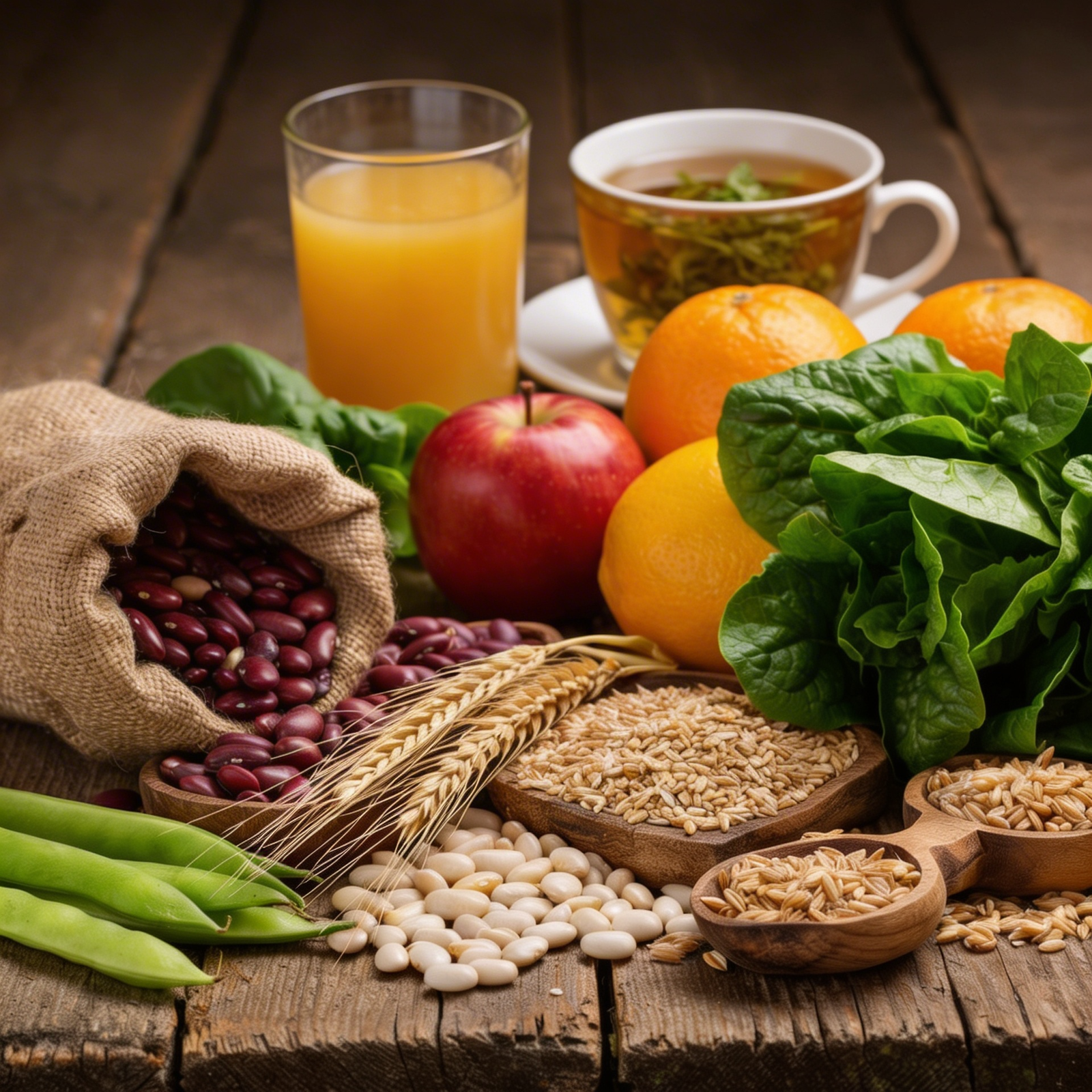
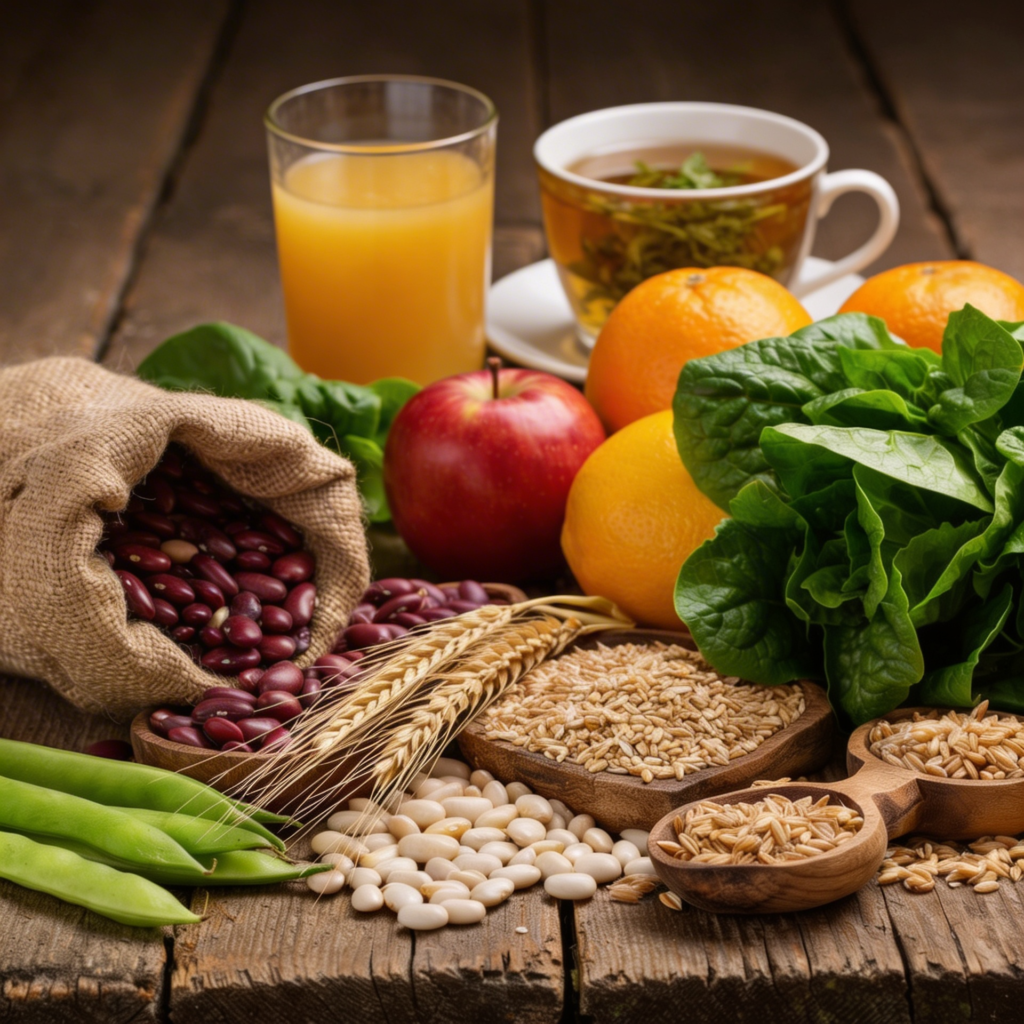
- Protein diversity The point is not to eliminate meat, but to reduce its role in favour of proteins with a lower environmental impact: legumes, sustainably caught fish, eggs from free-range farming, and why not, the increasingly interesting alternative proteins such as insects and algae. Nutritional science is clear: a varied diet rich in vegetables is good for human health and for the health of the planet.
- Respect for producers Sustainability is not only environmental: it is also social. Sustainable food is food produced under decent working conditions, with transparent supply chains, that guarantees a fair income to farmers. It is not enough for it to be good for the Earth; it must also be good for the people who work that Earth.
Three ideas for a sustainable menu (without sacrificing taste)
Here are some concrete examples of what a sustainable meal might look like — without feeling like a punishment.
Seasonal spring menu Fresh pea soup with mint and ancient-grain bread; pasta with broad beans, mountain pecorino and lemon; strawberries with whole yogurt and a drizzle of local honey.
Low-footprint winter menu Cream of pumpkin and red lentil soup; polenta with dried mushroom and chestnut ragù; baked apple with cinnamon and walnuts.
Mediterranean summer menu Spelt salad with tomatoes, olives and capers; courgette frittata with aromatic herbs and wholemeal bread; grilled peaches with toasted almonds.
Three almost entirely plant-based menus, built on seasonal and short-chain ingredients, culturally rooted in Italian territory. This is not abstinence: it is nutritional intelligence.
Food as a political act (and an act of hope)
Every time we choose what to buy, what to cook and what to put on our plate, we are voting for a certain type of food system. This is not rhetoric: it is the real mechanism through which consumer demand shapes production, markets and — over time — policies.
Eating consciously is one of the most concrete daily acts through which we can participate in the ecological transition. Not the only one, of course. Not sufficient on its own. But real, accessible, immediate.
Song of the Earth 2026: the word is sustainable food
With La Stazione del Cibo, Song of the Earth brings this theme to the heart of its programme. Four days — from 7 to 10 May 2026 in Rovereto — to explore the relationship between food, ecosystems, culture and climate. With guests, talks, workshops, tastings and the festival’s customary ability to transform complex themes into vivid, participatory, emotionally resonant experiences.
In the coming weeks we will tell you everything: the programme, the voices, the initiatives. Follow the website and our social channels so as not to miss any updates.
The Earth sings. And this year it sings with flavour.
Would you like to stay updated on Song of the Earth 2026? Subscribe to our newsletter and follow the upcoming announcements.